

PoE Solutions by Application
Every deployment creates its own power problem. Pick the scenario that matches yours for the design constraints that matter, the equipment that addresses them, and the engineering detail behind the recommendation.
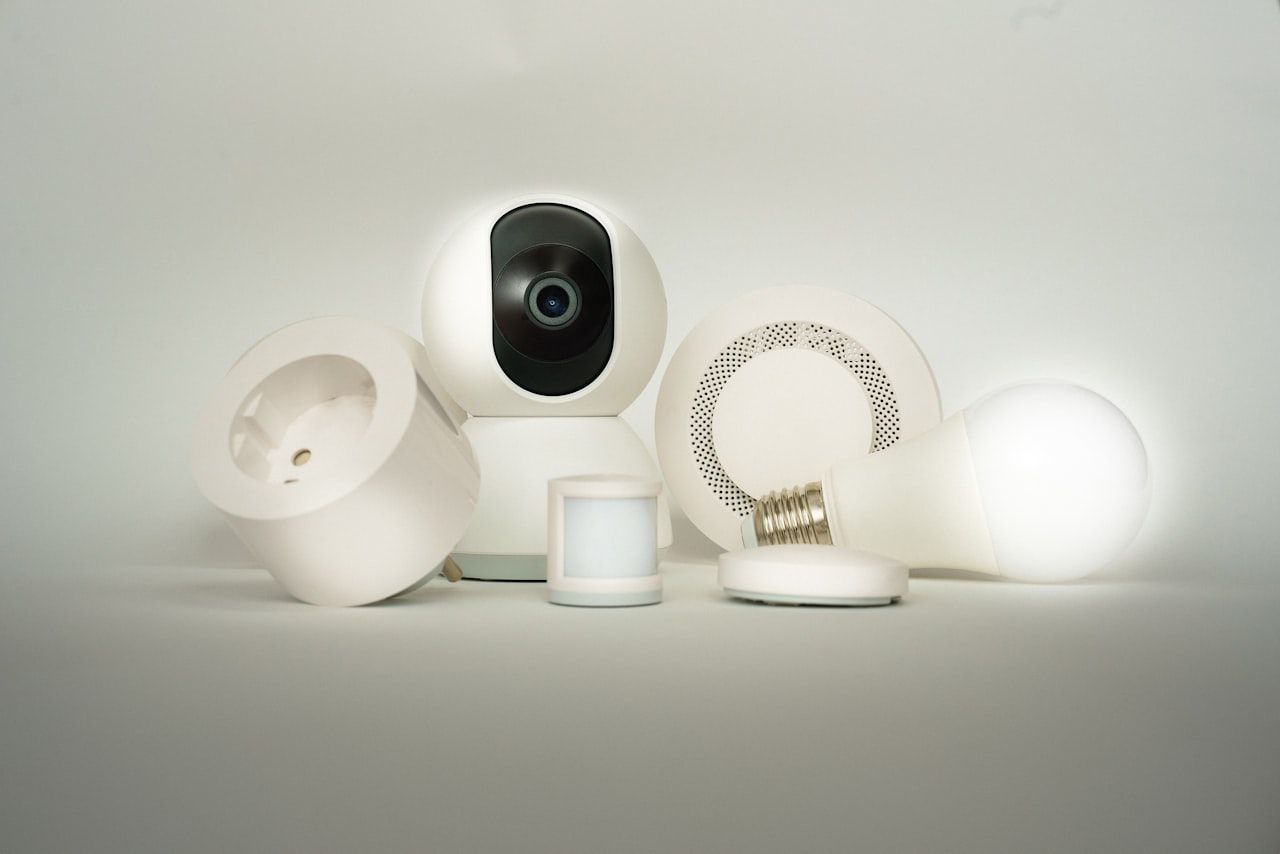
IP Video Surveillance
Powering cameras that have to work on the coldest night of the year
Surveillance is the application that made PoE mainstream, and the one where power design most often goes wrong. A camera system is not a constant load: it draws more at night than during the day, more in winter than in summer, and more during a pan-tilt movement than at rest. Design for the typical figure and the system commissions perfectly in September and starts dropping cameras in January.
Read the design guide
Wireless Access Point Deployment
Wi-Fi 6, 6E and 7 outgrew 802.3af — and under-powered APs fail quietly
Access points have become one of the most demanding PoE loads in the building. A single-radio 802.11n AP was comfortable on 802.3af; a tri-band Wi-Fi 7 unit with a multi-gig uplink can ask for more than 802.3at can supply. The awkward part is that an under-powered AP rarely fails outright — it degrades, silently, in ways that look like an RF problem rather than a power problem.
Read the design guide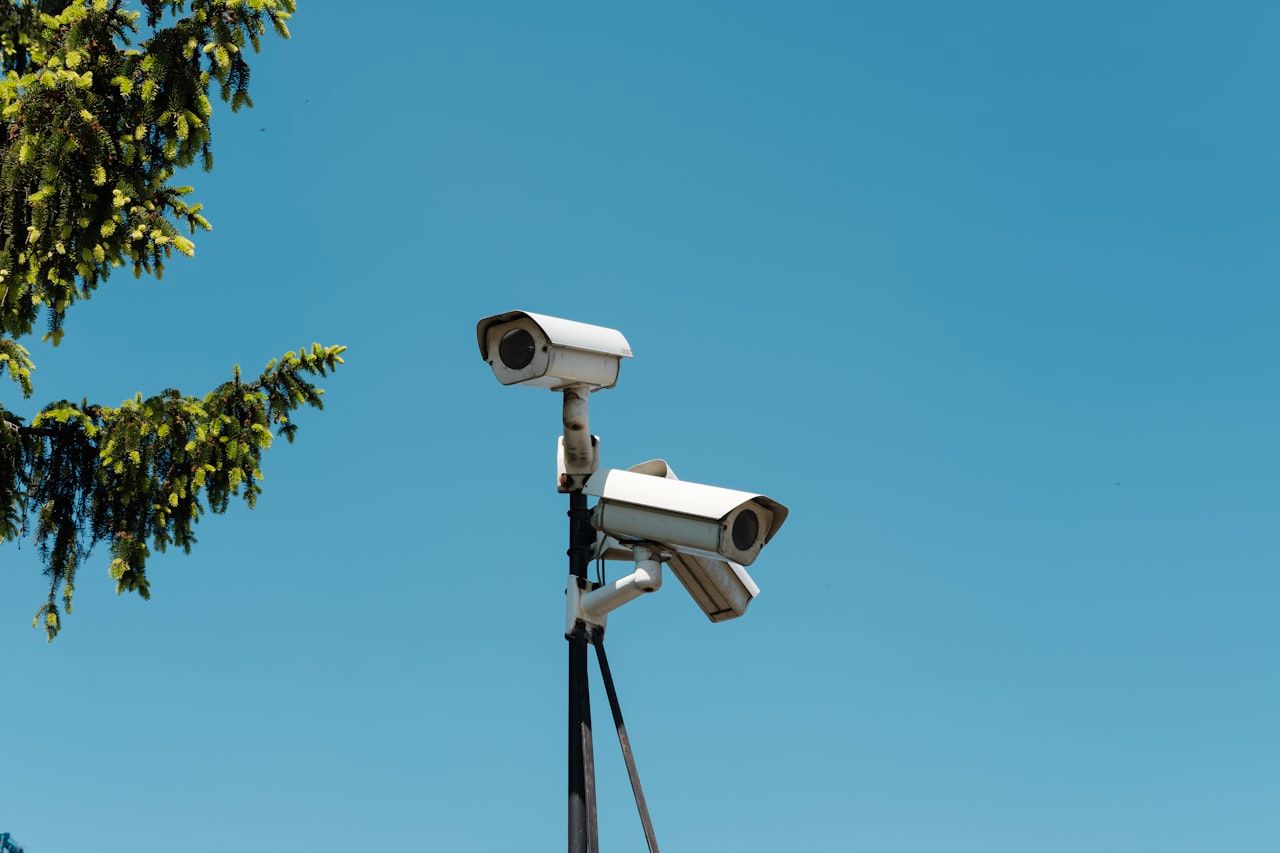
Industrial and Outdoor Networks
Wide temperature range, surge exposure and no mains where you need it
Outside the comms room the assumptions change. Equipment sits in unconditioned cabinets, on poles and in ceiling voids where summer and winter extremes both bite; the cable runs cross open ground and between structures with separate earthing systems; and there is rarely a convenient power outlet at the far end. PoE is what makes these installations practical, and the failure modes are entirely different from an office deployment.
Read the design guide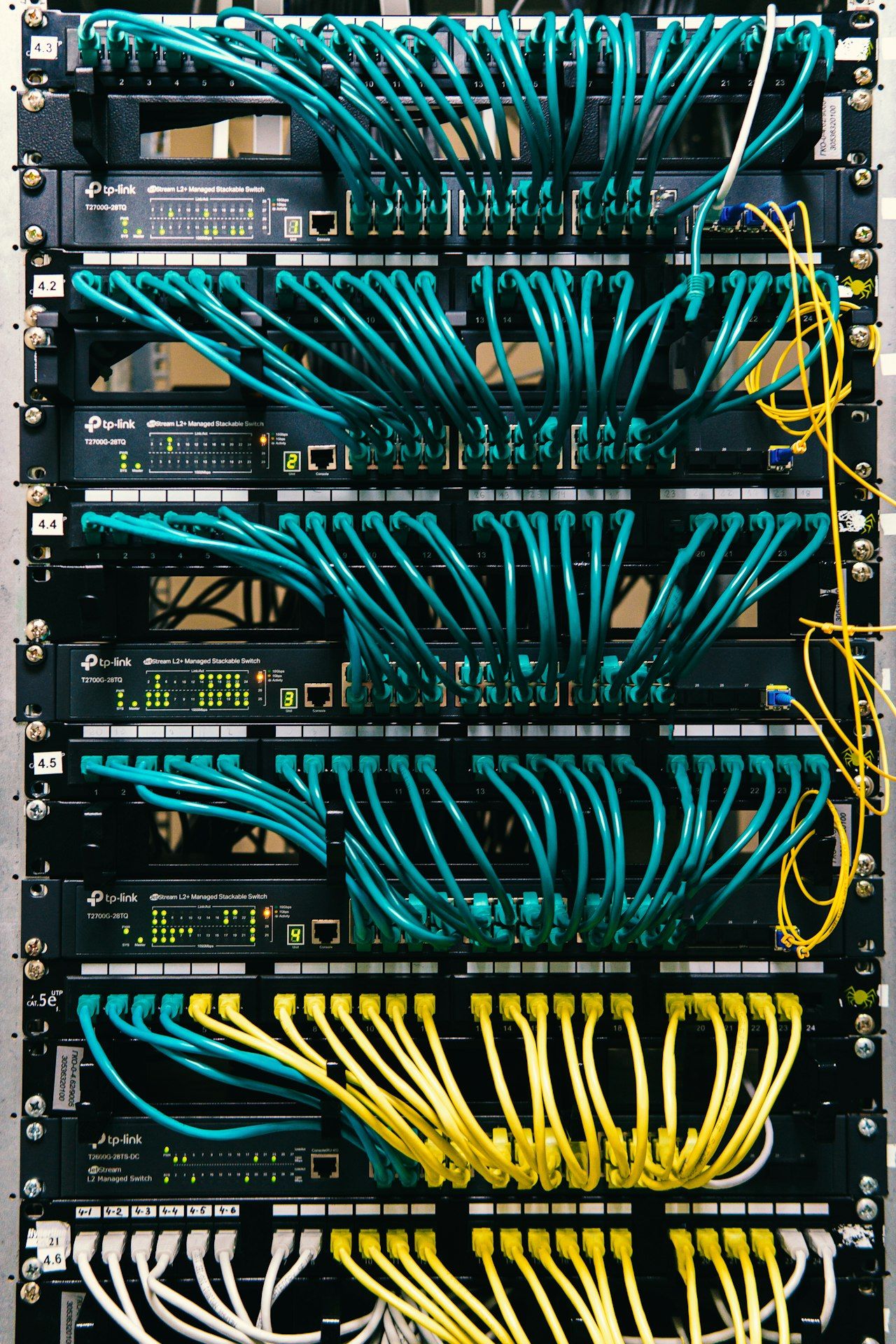
Smart Buildings and PoE Lighting
When the lighting grid becomes the sensor network
Lighting is the largest class of always-on electrical load in most commercial buildings, and it was historically the one part of the fit-out with nothing to do with the network. LED efficiency and IEEE 802.3bt changed that arithmetic. A luminaire that once needed 60 W of mains now needs 15 W to 40 W of DC — within what a single Type 3 or Type 4 port delivers — and once it is on the network it becomes a sensor platform as well as a light.
Read the design guide
Access Control and IoT Devices
Small loads, awkward places, and devices that were never designed for PoE
Door controllers, intercoms, digital signage, sensors, gateways and single-board computers are individually undemanding — a few watts each. What makes them a design problem is where they live and what connectors they expect. Many have no PoE support at all and arrive expecting 5 V over USB-C or 12 V on a barrel jack, in a location with structured cabling and no power outlet.
Read the design guideNot sure which applies?
Send us the device you need to power, the distance to the nearest switch and the environment it sits in. That is usually enough for us to specify the right part.