
PoE Cabling Guide: Cat5e, Cat6, Cat6a and Distance Limits
PoE cabling fundamentals: the 100m rule, conductor gauge by category, bundling and heat, and what gigabit and high-power PoE demand.
The cable is the most underestimated component in a PoE system. It carries both data and power, and its conductor gauge directly determines how much energy is lost as heat. Choosing the right category - and respecting distance and bundling limits - is essential for reliable high-power PoE.
The 100-Meter Rule
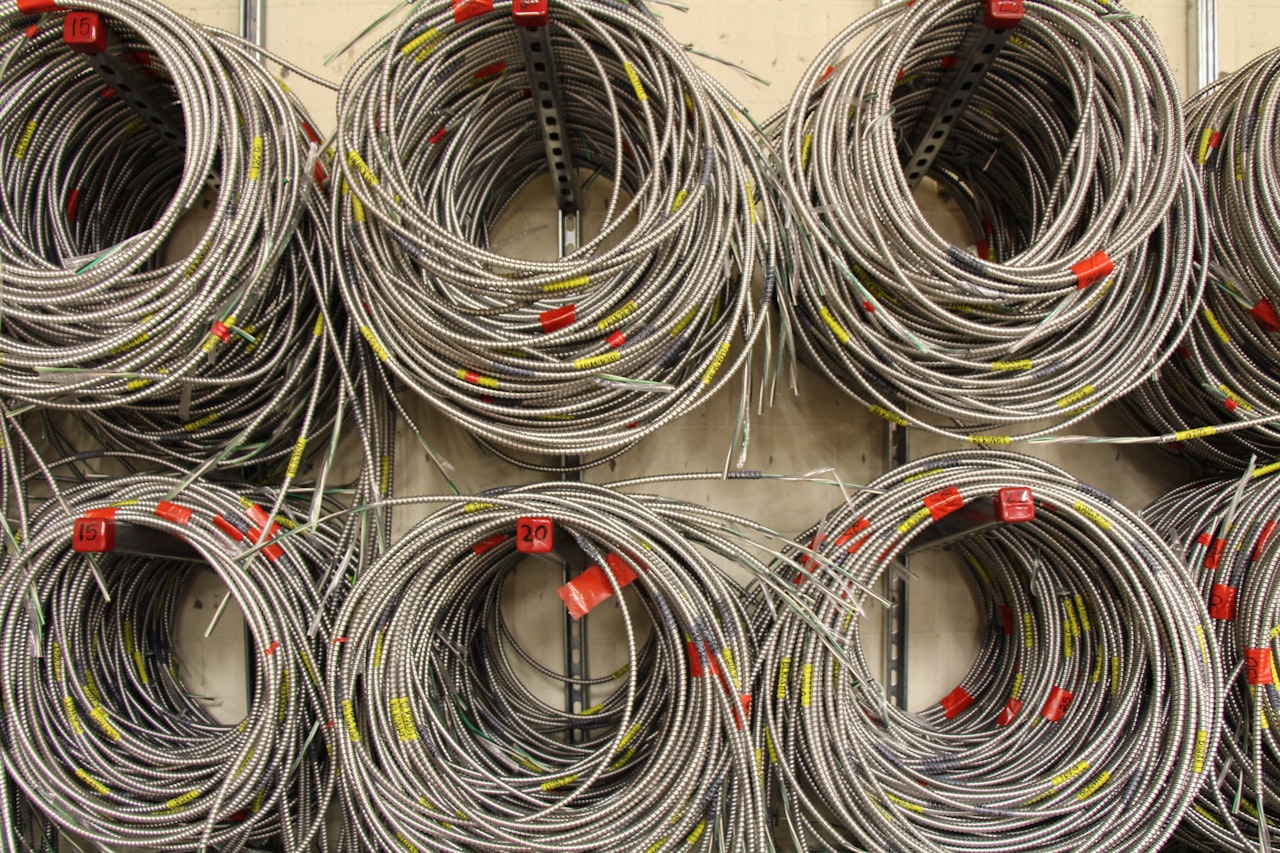
Ethernet over twisted pair is specified for a maximum channel length of 100 meters (about 328 feet): up to 90 m of fixed horizontal cabling plus up to 10 m of patch cords. This limit comes from data signal integrity, not power, but it also defines the worst-case distance over which PoE power must be delivered. The IEEE PoE standards already reserve power for cable loss over a full 100 m run, which is why the guaranteed power at the device is lower than what the switch sources.
Conductor Gauge by Category
Cable category correlates with conductor gauge (AWG), and gauge drives DC resistance. Lower AWG numbers mean thicker copper and less resistance.
| Category | Typical conductor | Data rate / reach | PoE suitability |
|---|---|---|---|
| Cat5e | 24 AWG | 1 Gbps to 100 m | OK to PoE+; marginal for high-power 802.3bt |
| Cat6 | 23 AWG | 1 Gbps to 100 m; 10 Gbps to ~55 m | Good for PoE++ at moderate runs |
| Cat6a | 23-22 AWG | 10 Gbps to 100 m | Preferred for 60-90 W PoE and dense bundles |
A 23 AWG conductor has roughly 17% less DC resistance than a 24 AWG conductor, so Cat6 and Cat6a deliver high-power PoE with less voltage drop and less heat than Cat5e.
Bundling and Heat Rise
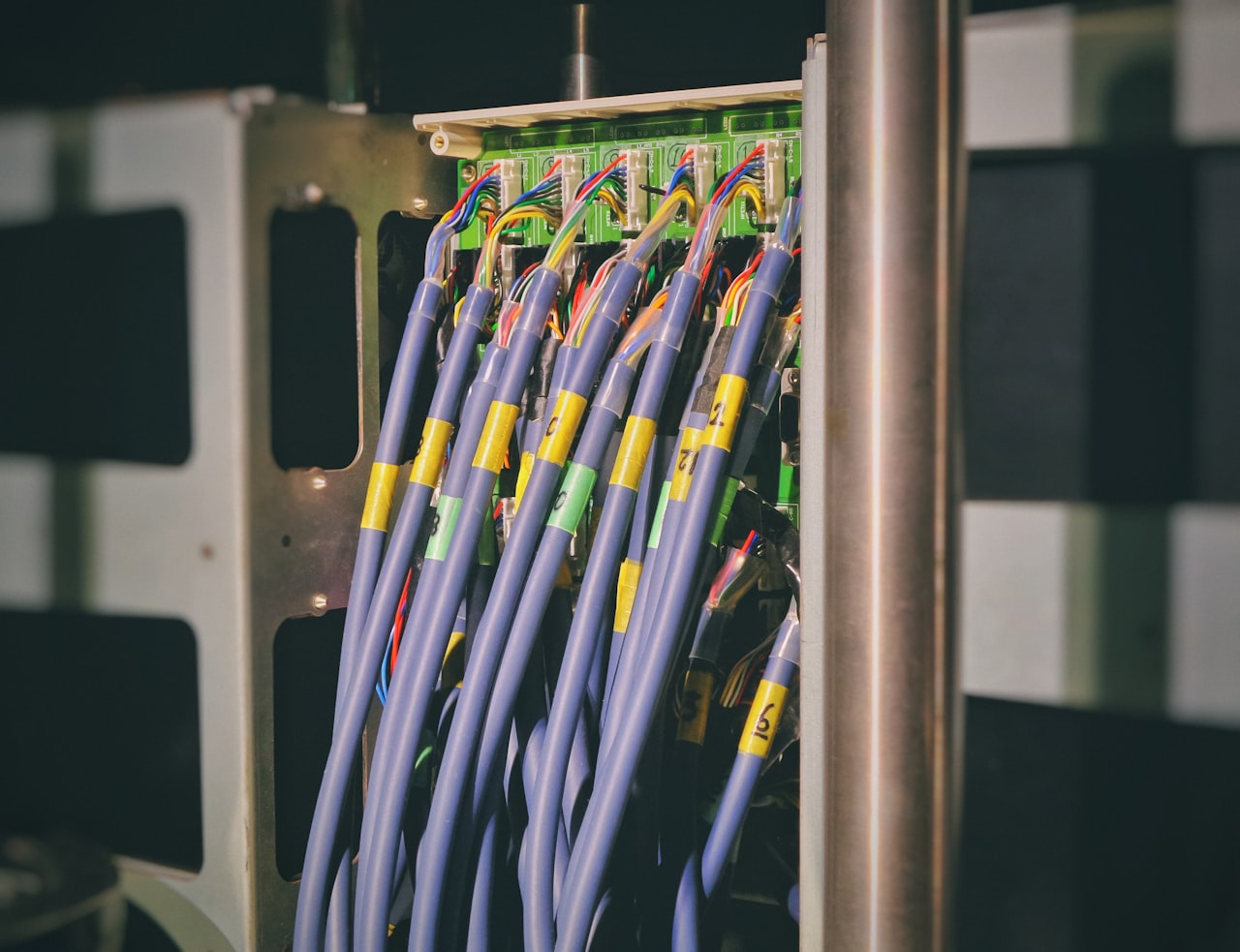
Every powered cable dissipates some energy as heat. When many PoE cables are bundled tightly in a conduit or tray, the inner cables cannot shed heat and the temperature rises - center cables in a large bundle of PoE+ runs can sit 15-20 °C above ambient. Higher temperature increases copper resistance, which increases loss further, and excessive heat can degrade insulation. The TIA TSB-184-A bulletin provides derating guidance for bundled PoE cabling. Practical mitigations include:
- Use lower-gauge cable (Cat6a, 23/22 AWG) for high-power runs to cut self-heating.
- Limit bundle sizes and avoid fully packed conduits on heavily loaded PoE.
- Allow airflow; keep bundles out of direct sun and hot ceiling voids where possible.
- Derate maximum power for the hottest cables in large bundles per TSB-184-A.
Gigabit and Four-Pair Considerations
For 1000BASE-T and faster, all four pairs carry data, so 802.3bt's four-pair power delivery shares the load across the same conductors used for gigabit data without conflict. Four-pair delivery also halves the current per conductor compared with two-pair delivery at the same wattage, cutting I²R loss and heat - a key reason high-power PoE uses all eight wires. Always use solid-conductor cable for fixed horizontal runs, terminate to category, and avoid undersized or copper-clad-aluminum cable, which has far higher resistance and is unsafe for PoE.
Going Beyond 100 Meters
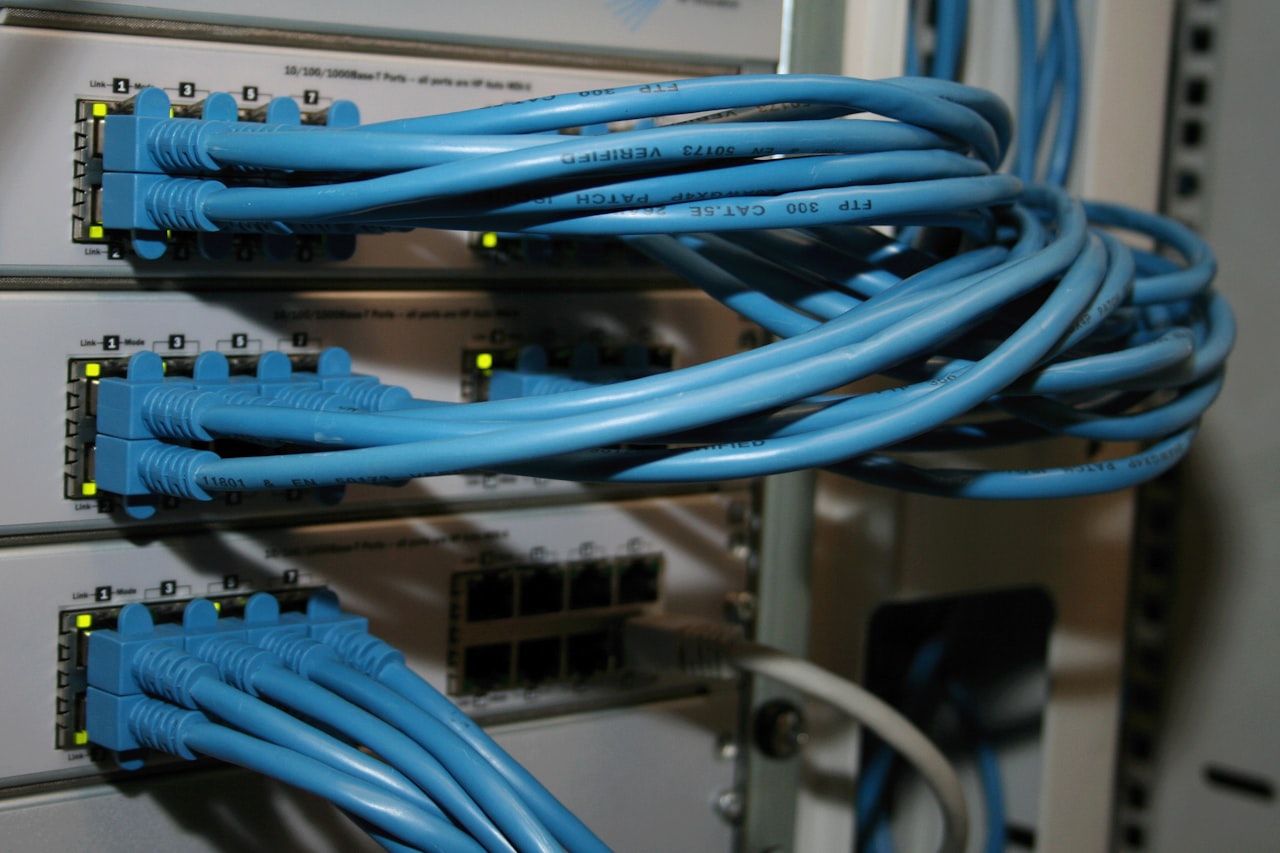
When a device sits past 100 m, do not simply add cable. Use a PoE extender (which regenerates data and re-injects power), a fiber link with a remote PoE switch or media converter, or relocate the switch. These approaches preserve both signal integrity and a clean power budget.
Recommendations
- Specify Cat6 as a sensible baseline and Cat6a for 60-90 W loads or dense bundles.
- Keep high-power runs as short as practical and reserve full-length runs for lighter loads.
- Plan bundle sizes and derating up front, especially in conduits and risers.
- Verify cable is genuine, full-gauge copper - not copper-clad aluminum.
Good cabling and well-matched PoE hardware work together. Our splitters and power modules are specified against realistic cable loss so that, even at the far end of a category-compliant run, the device receives stable rated power.
Need PoE hardware for your project?
Browse our PoE splitters or request a custom power module built to your spec.