
Active vs Passive PoE: Key Differences and Risks
Active PoE negotiates power safely per IEEE; passive PoE applies fixed voltage with no handshake. Learn the differences, risks, and why compliance matters.
"PoE" is used loosely to describe two fundamentally different ways of putting power on an Ethernet cable. Active (standardized) PoE follows the IEEE 802.3 negotiation process; passive PoE simply applies a fixed voltage at all times. The distinction is not academic - choosing wrong can destroy hardware.
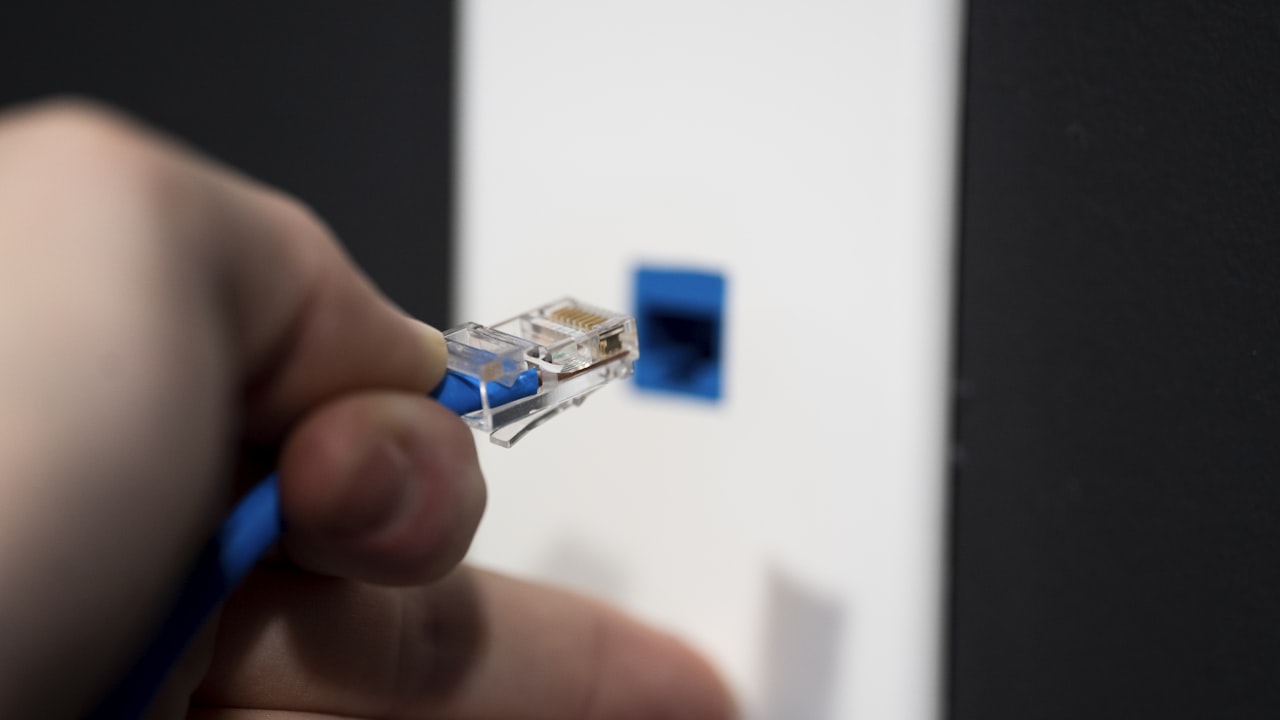
Active PoE: Negotiated and Standardized
Active PoE refers to equipment compliant with IEEE 802.3af, 802.3at, or 802.3bt. Before delivering meaningful power, the power sourcing equipment (PSE) runs a handshake with the powered device (PD):
- Detection: The PSE applies a small probe voltage and looks for the PD's 25 kΩ signature resistance to confirm a valid load is present.
- Classification: The PSE determines the PD's power class so it can reserve the correct wattage.
- Power-up: Only after a successful handshake does the PSE ramp to full operating voltage (44-57 V).
- Monitoring: The PSE continuously checks that a valid PD is still drawing power and removes power if the device is unplugged.
Because of this sequence, plugging a non-PoE device into a genuinely compliant active PoE port is safe - the port simply never sees a valid signature and withholds power.
Passive PoE: Always On, No Handshake
Passive PoE puts a fixed DC voltage - commonly 24 V or 48 V - onto the cable continuously, with no detection, no classification, and no negotiation. Whatever is plugged in receives that voltage immediately. Passive systems are cheaper and simpler, and they are common in some wireless-ISP and legacy product ecosystems, but they shift all responsibility for matching voltage onto the installer.
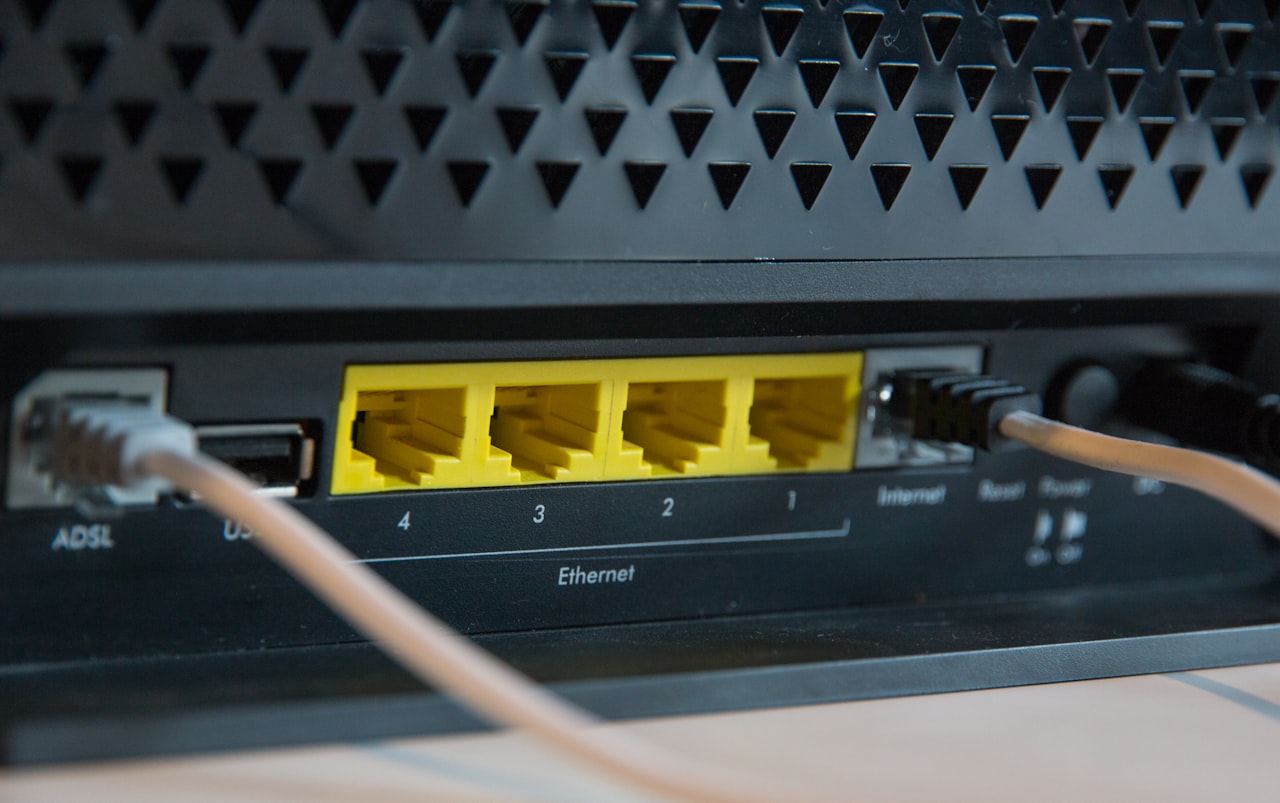
Side-by-Side
| Aspect | Active PoE | Passive PoE |
|---|---|---|
| Standard | IEEE 802.3af/at/bt | Proprietary / none |
| Negotiation | Detection + classification handshake | None - fixed voltage always on |
| Typical voltage | 44-57 V (negotiated) | Fixed 24 V or 48 V |
| Safety to non-PoE gear | Safe (power withheld) | Risk of immediate damage |
| Interoperability | High across vendors | Must match source and device |
| Cost / complexity | Higher | Lower |
The Real Risks of Passive PoE
- Voltage mismatch: Feeding a passive 48 V injector to a device expecting 24 V can instantly destroy it.
- Non-PoE damage: Connecting a passive source to a standard non-PoE device or switch port that is not expecting power can damage its PHY or electronics.
- No fault protection: Without classification and monitoring, passive systems lack the automatic shutoffs that protect against shorts and overloads.
- Field error: Cables and ports look identical, so it is easy for a technician to cross-connect passive and active gear with costly results.
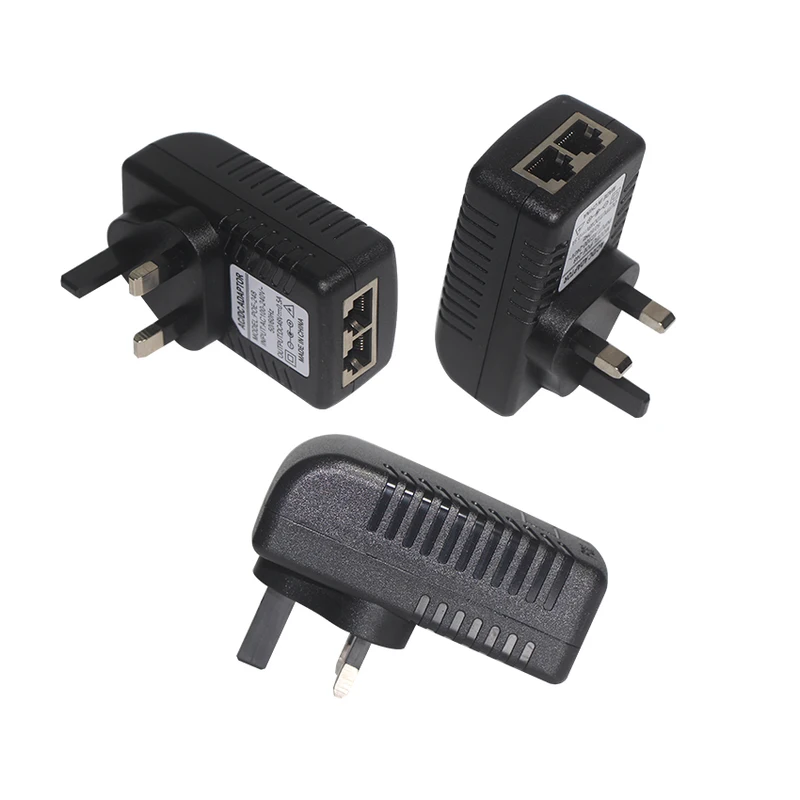
Why IEEE Compliance Matters
The IEEE negotiation process exists specifically to prevent the failure modes above. Active PoE guarantees that power is delivered only to devices designed to receive it, at a voltage both ends agree on, with continuous fault monitoring. For multi-vendor B2B networks - where switches, injectors, splitters, cameras, and access points come from different makers - active PoE is the only way to ensure safe, predictable interoperability.
Practical Recommendations
- Default to active, IEEE-compliant PSEs, splitters, and PDs for any professional install.
- If you must use passive PoE, label cables clearly and verify voltage at both ends before connecting.
- Never mix passive sources with active devices, or different passive voltages, on the same plant.
- When integrating legacy passive equipment into a standardized network, use a compliant converter or splitter as the bridge.
As a manufacturer, we build active, IEEE-compliant splitters and power modules so integrators get the safety of negotiated power with the exact output their devices require - avoiding the silent, expensive failures that passive mismatches cause.
Need PoE hardware for your project?
Browse our PoE splitters or request a custom power module built to your spec.